#17 · 2025
Assessment of economic viability and production dynamics of chilli cultivation in Guntur District, Andhra Pradesh.
Acchukatla, M., Thogati, R. C., et al. (2025). Annals of Agri-Bio Research, 30(2), 141–149. IF 0.4
#18 · 2025
Unveiling hydromorphic soil formation dynamics in Andem, Gabon: A soil survey approach.
Adhikary, R., & Pal, A. (2025). Indian Journal of Agricultural Research, 59(3), 489–495. IF 0.6
#19 · 2025
Judicious use of weed-suppressive living mulches reduces reliance on herbicides and optimizes potato yield.
Ahmadi, M., Fakhari, R., Maitra, S., & Gitari, H. (2025). International Journal of Biological Sciences, 12(1), 15–25. IF 9.2
#20 · 2025
Enhanced efficiency fertiliser (EEF) intervention for climate change resilience.
Atapattu, A. J., Babalola, O. O., Maitra, S., et al. (2025). In Innovations in Climate Resilient Agriculture (pp. 447–464).
#21 · 2025
Synergistic influence of minimum tillage and integrated nutrient schedules on crop performance and soil microbial diversity in a rice–lentil system.
Bhattacharya, U., Naskar, M. K., et al. (2025). BMC Plant Biology, 25(1), 1324. IF 4.3
#22 · 2025
Vulnerability of shallow groundwater to nitrate and pesticide pollution.
Bulle, A. M., Gitari, H. I., Maitra, S., et al. (2025). International Journal of Bioresource Science, 12(1), 101–117. IF 0.6
#23–24 · 2025
Microbial remediation of fluoride-contaminated water; Agroforestry tree species: Acacia tortilis.
Chappa, L. R., Nungula, E. Z., Maitra, S., et al. (2025). Book chapters, Springer.
#25 · 2025
Evaluating advertising effectiveness on consumers' online shopping behaviour across regional contexts: A light gradient boosting machine approach.
Das, S., Chandrasekhar, K., Mishra, D., et al. (2025). Journal of Applied Bioanalysis, 11(S2), 147–163.
#26 · 2025
Effect of split nitrogen application on yield attributes and grain yield of pearl millet (Pennisetum glaucum L.).
Das, S., Maitra, S., Sagar, L., et al. (2025). Crop Research, 60(1–2), 12–17. IF 0.6
#27 · 2025
Optimization of in vitro propagation protocol for conservation and sustainable production of Hygrophila auriculata.
Das, S., Shukla, G., Roy, B., et al. (2025). National Academy Science Letters. IF 1.1
#28 · 2025
Mechanisms of low light stress in rice: Current insights and future directions.
Dey, P., Pattanaik, D., Gaikwad, D. J., et al. (2025). Plant Growth Regulation, 105, 1949–1968. IF 3.9
#29 · 2025
Organic mulch and compost synergy revitalizes soil multifunctionality for resilient agroecosystems.
Gumo, P., Gitari, H., Maitra, S., et al. (2025). International Journal of Experimental Research and Review, 49, 81–101. IF 0.8
#30 · 2025
Impact of sulphur and zinc fertilisation on yield, quality, nutrient uptake and economics of cowpea cultivation.
Hemasree, K. R., Maitra, S., Ray, S., et al. (2025). Farming & Management, 10(2), 115–123.
#31 · 2025
Effects of sulphur and zinc on growth and productivity of summer cowpea under conditions of Southern Odisha.
Hemasree, K. R., Sairam, M., Maitra, S., et al. (2025). Crop Research, 60. IF 0.6
#32 · 2025
Assessment of selective herbicide mixtures for effective weed management in transplanted kharif rice in South Odisha.
Jantua, J., Mahapatra, A., Kalasare, R. S., et al. (2025). Crop Research, 60, 82–89. IF 0.6
#33 · 2025
An economic analysis of agricultural crop diversification in high rainfall zone of Tamil Nadu.
Kumar, S., Mehazabeen, A., Vishnuprabu, S., et al. (2025). International Journal of Environmental Sciences, 11(16).
#34 · 2025
Impact of real-time nitrogen management on the performance of maize–cowpea intercropping system.
Maheswari, N., Maitra, S., Sairam, M., et al. (2025). Crop Research, 60. IF 0.6
#35 · 2025
Effect of fertilizer doses and foliar application on growth and yield of grain sorghum under South Odisha agro-climatic conditions.
Mahto, R. K., Kalasare, R. S., Sairam, M., Maitra, S., et al. (2025). Crop Research, 60. IF 0.6
#36 · 2025
Phosphorus uptake and use efficiencies of two upland rice varieties under varying phosphorus rates and seasons.
Maina, E. W., Mugwe, J., Maitra, S., et al. (2025). Int. Journal of Experimental Research and Review, 49, 1–14. IF 0.8
#37–42 · 2025
Maitra et al. — Series of book chapters on cropping systems, seed priming, alley cropping, agroforestry, abiotic stress, and climate-smart agriculture.
Maitra, S., Sairam, M., Ray, S., et al. (2025). Multiple book chapters across Springer, Apple Academic, and other publishers.
#43 · 2025
Optimization of an enhanced micropropagation protocol of Stevia rebaudiana for mass production in an Indian sub-humid region.
Manohar, K. A., Sivasankarreddy, K., Shukla, G., et al. (2025). Sugar Tech, 1–16. IF 2.0
#44 · 2025
Cost analysis on supply chain of banana in Andhra Pradesh, India.
Mehazabeen, A., & Srinivasan, G. (2025). Indian Journal of Applied & Pure Biology, 40(2), 1013–1020.
#45 · 2025
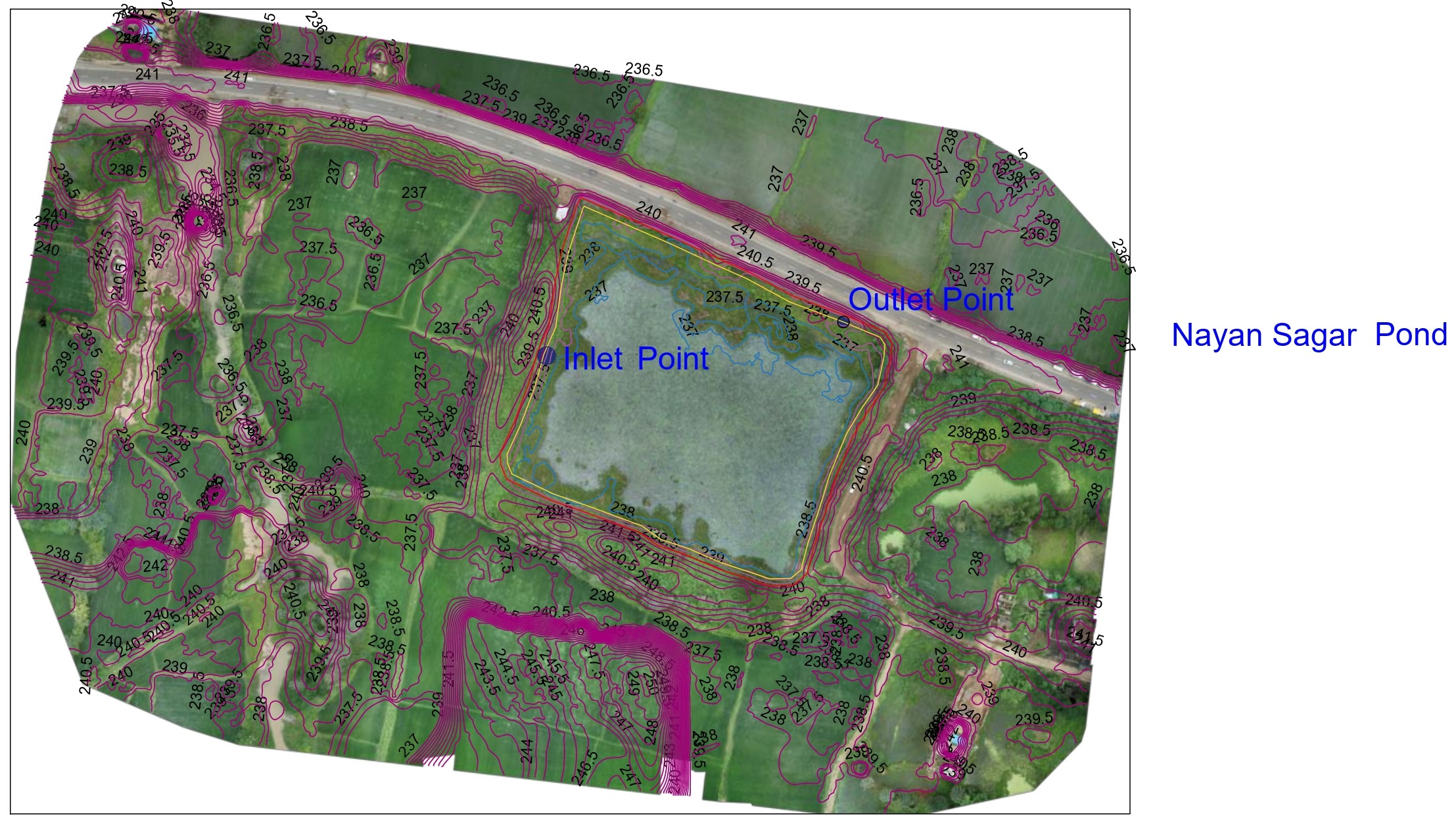
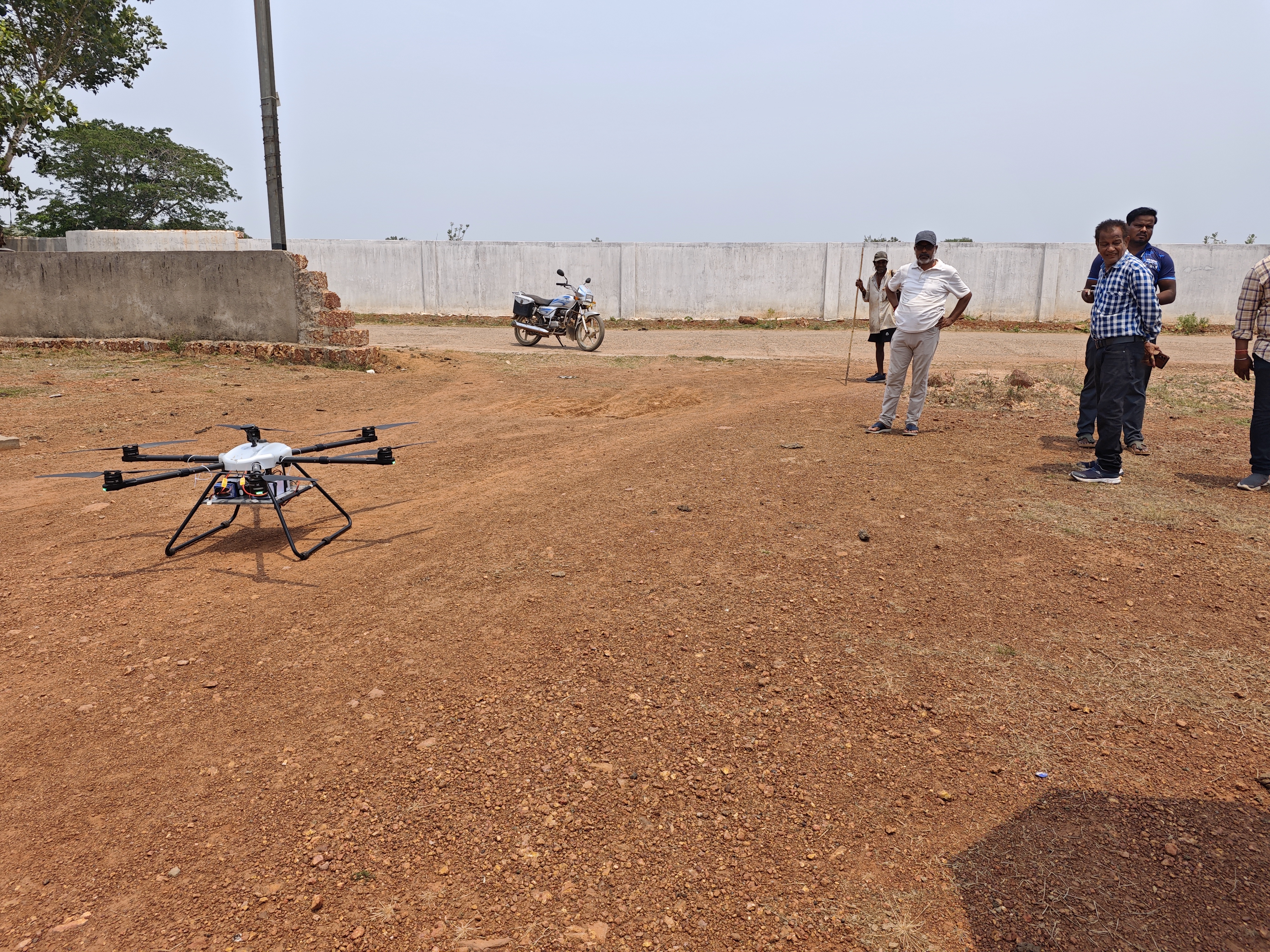
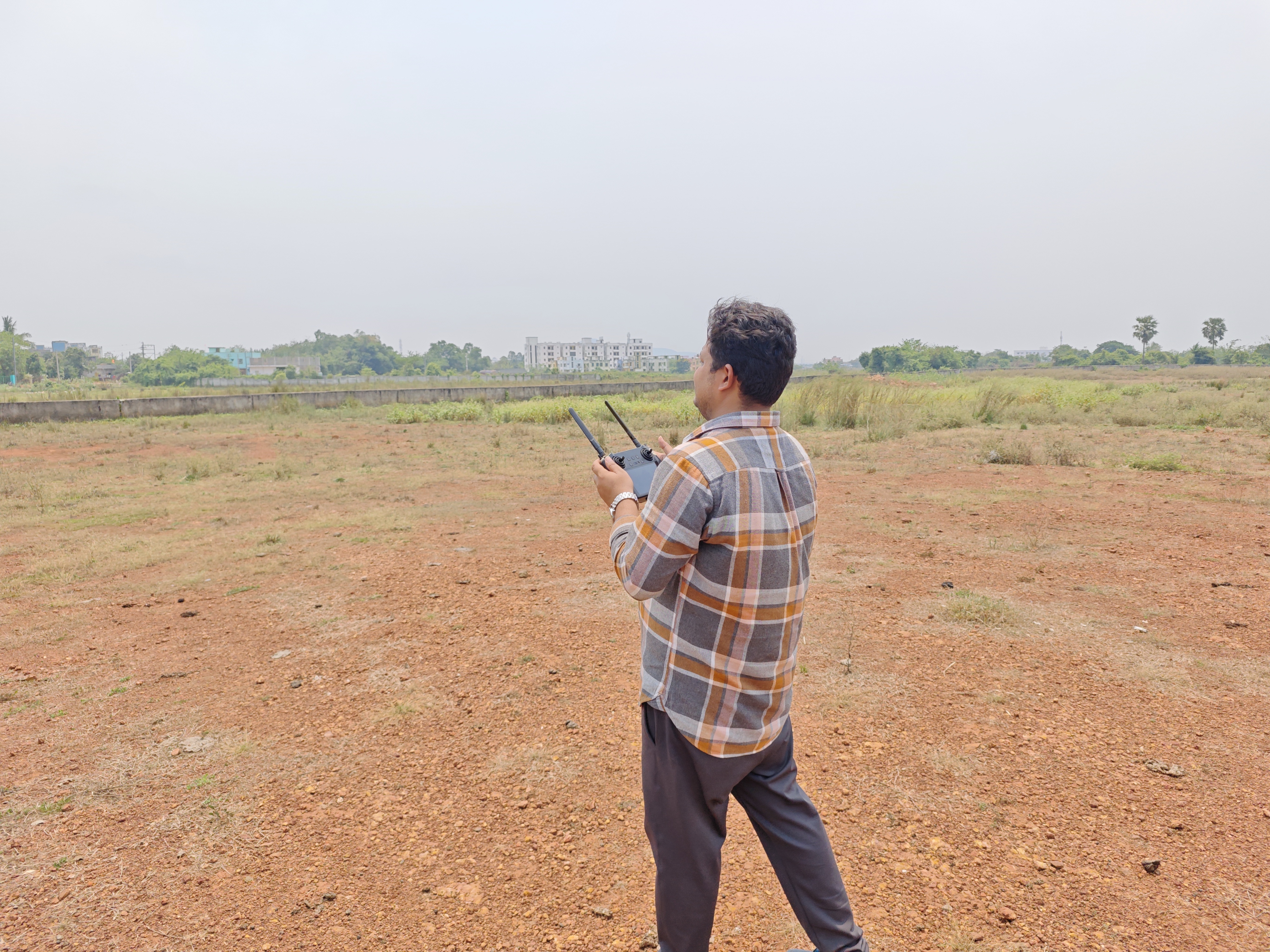
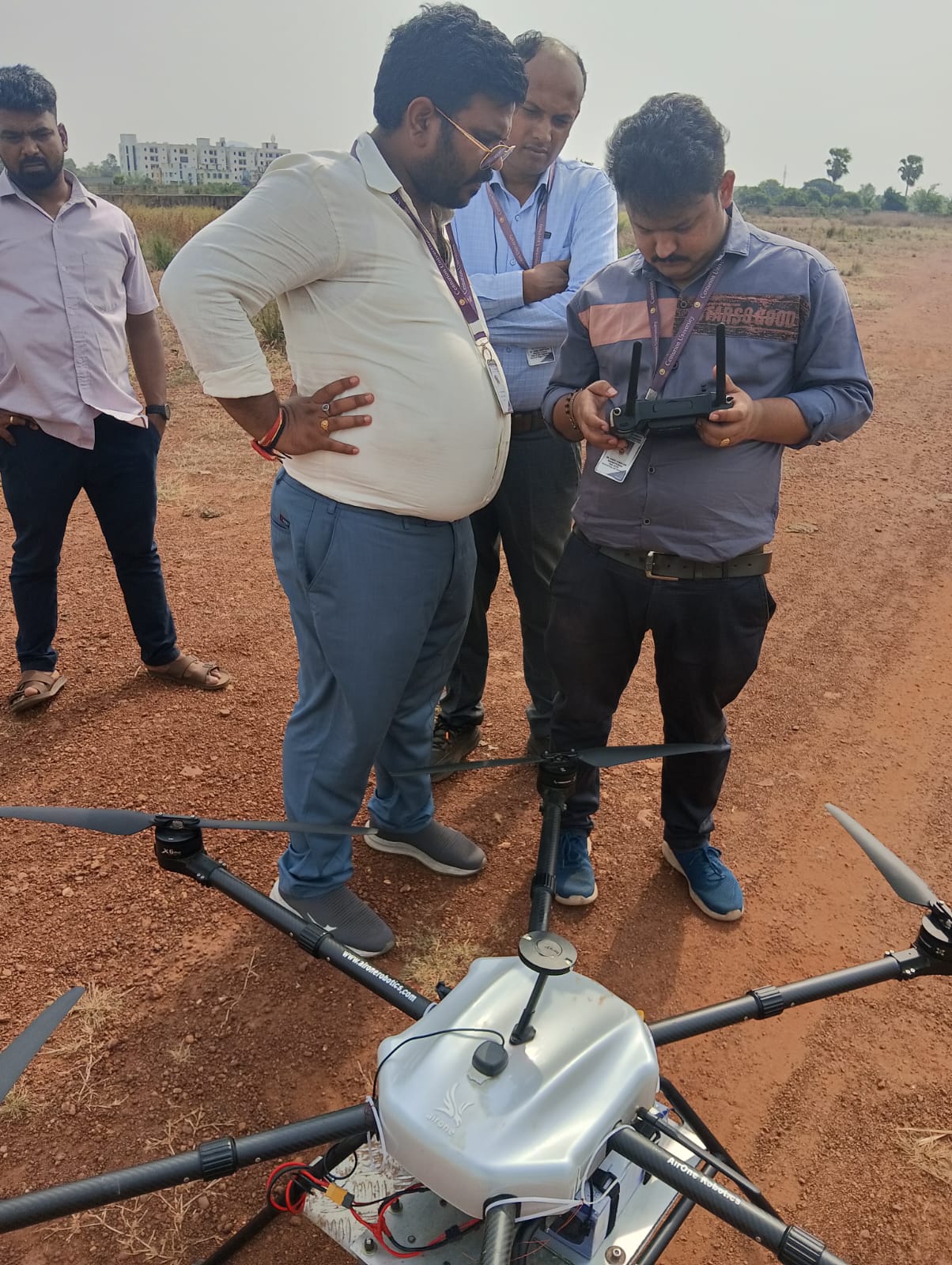
Optimizing herbicide use: Can drone technology revolutionize weed management in rice?
Misra, B., Mahapatra, A., Mondal, T., et al. (2025). Plant Science Today, 12, 1–13. IF 1.8
#46 · 2025
Comparative performance of foliar spray of urea and nano urea on productivity and nitrogen uptake of rice in Southern Odisha.
Mondal, D., Nath, S., Shankar, T., Dash, B., & Palai, J. B. (2025). Crop Research, 60(5–6). IF 0.6
#47–48 · 2025
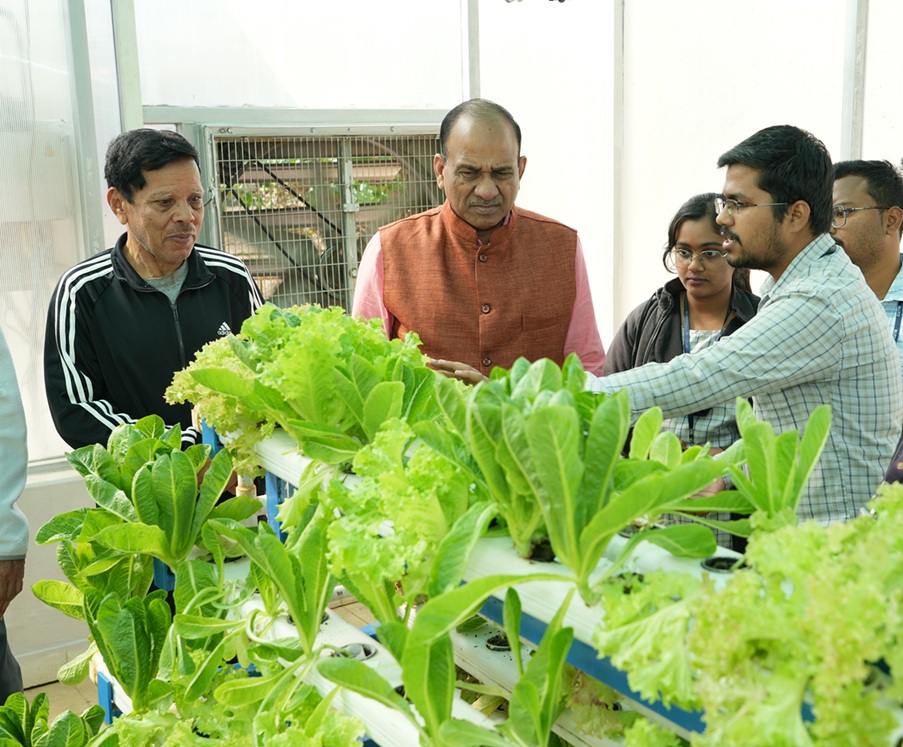
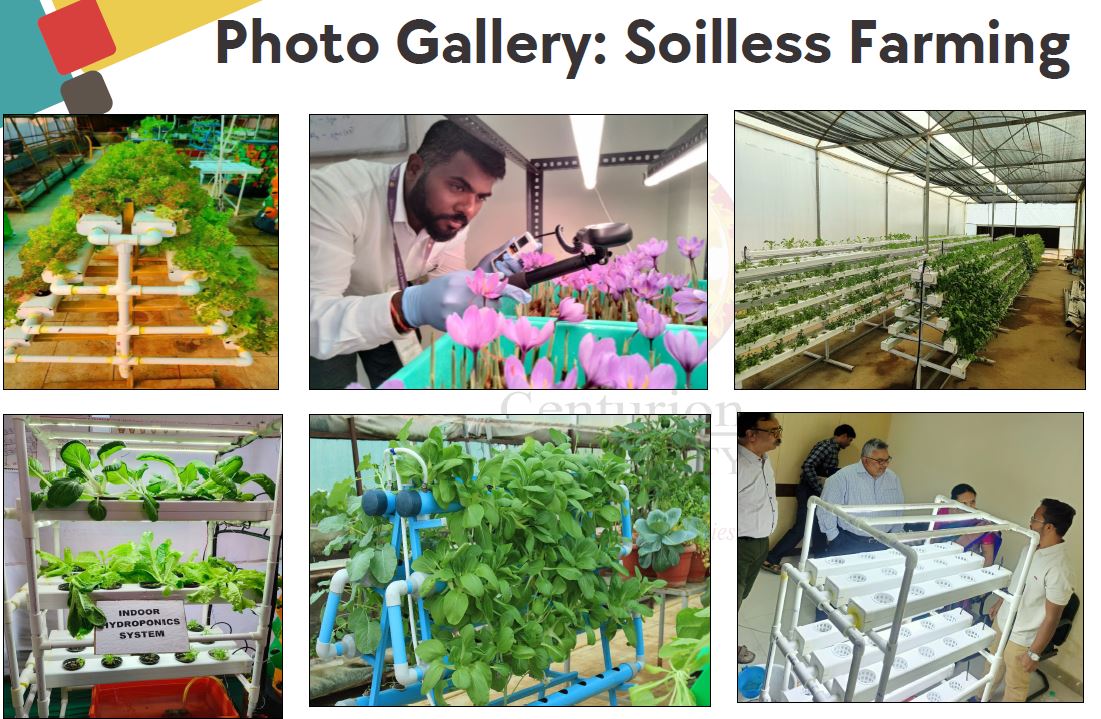
Influence of growing media and nutrient levels on growth and yield of lettuce (Lactuca sativa L.) in hydroponics.
Munda, S. C., Maitra, S., Gaikwad, D. J., Duvvada, S. K., et al. (2025). Crop Research, 60, 185–190. IF 0.6
#49–53 · 2025
Reviews on biochar, soil degradation, soil suitability for maize, azolla biofertilizer, and precision nitrogen management.
Ngaiza, V. V., Ngowi, N. J., Nungula, E. Z., Maitra, S., Gitari, H. I., et al. (2025). Various journals. IF 0.6–0.8
#54 · 2025
Post-pandemic sustainable advancements in machine learning for stock market analysis: A systematic review.
Parhi, A., Chakravarthy, P. K., et al. (2025). LNEE Vol. 1530, 823–843. Springer Nature.
#55 · 2025
Effect of phosphorus and biofertilizer inoculation on growth, yield and post-harvest soil nutrient status of rabi maize in coastal West Bengal.
Parvaz, W., Goswami, S., Maitra, S., et al. (2025). Crop Research, 60. IF 0.6
#56–57 · 2025
Innovative crop establishment and herbicide application studies in rice–green gram and rabi maize systems.
Pattanayak, S., Paul, P., Meher, S., Mahapatra, A., et al. (2025). Crop Research, 60, 324–329. IF 0.6
#58–59 · 2025
Climate-smart agricultural technologies — approaches for field crops production systems.
Pramanick, B., Singh, S. V., Maitra, S., Celletti, S., & Hossain, A. (2025). Springer.
#60 · 2025
Growth and yield response of rice-fallow maize to varying nitrogen and phosphorus levels in Odisha.
Prasad, C. V. S., Barik, B. R., Majumder, S., et al. (2025). Crop Research, 60. IF 0.6
#61 · 2025
Spatial arrangement in pearl millet–groundnut intercropping system influences productivity, competition and economics.
Priya, G. S., Maitra, S., Sairam, M., & Ray, S. (2025). Int. Journal of Experimental Research and Review, 47, 108–119. IF 0.8
#62–66 · 2025
Ray et al. — Series on carbon sequestration, optical sensing, precision nitrogen management in maize–groundnut, intercropping nexus review.
Ray, S., Maitra, S., Sairam, M., et al. (2025). Tropical Agriculture, Int. J. Bioresource Science, Crop Research, Research on Crops. IF 0.5–1.2
#67–82 · 2025
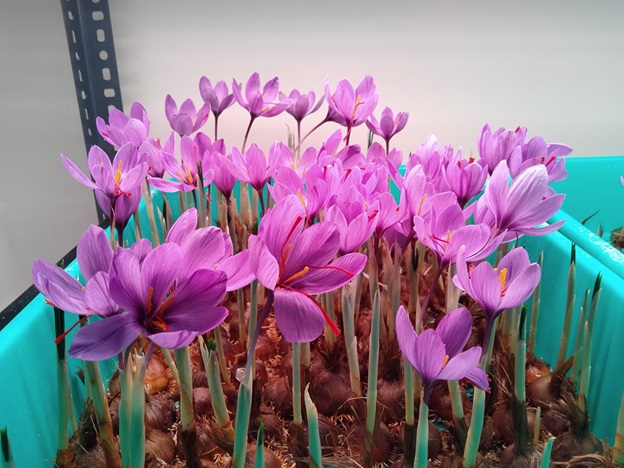
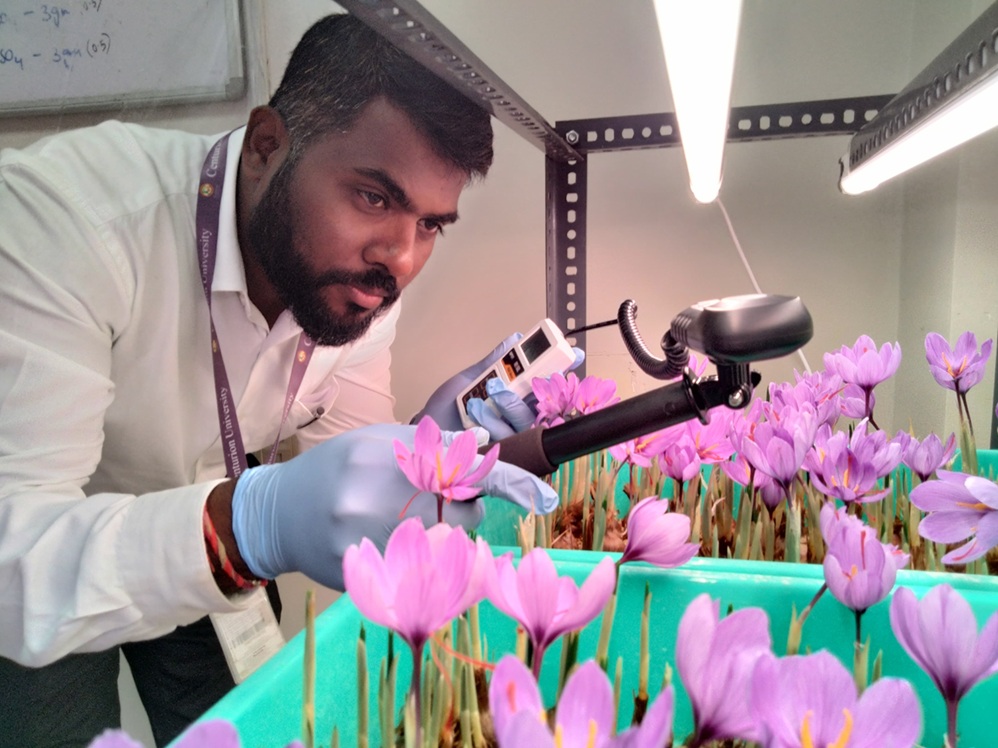
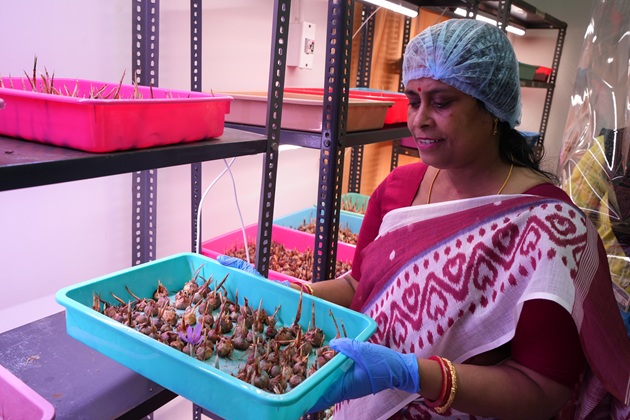
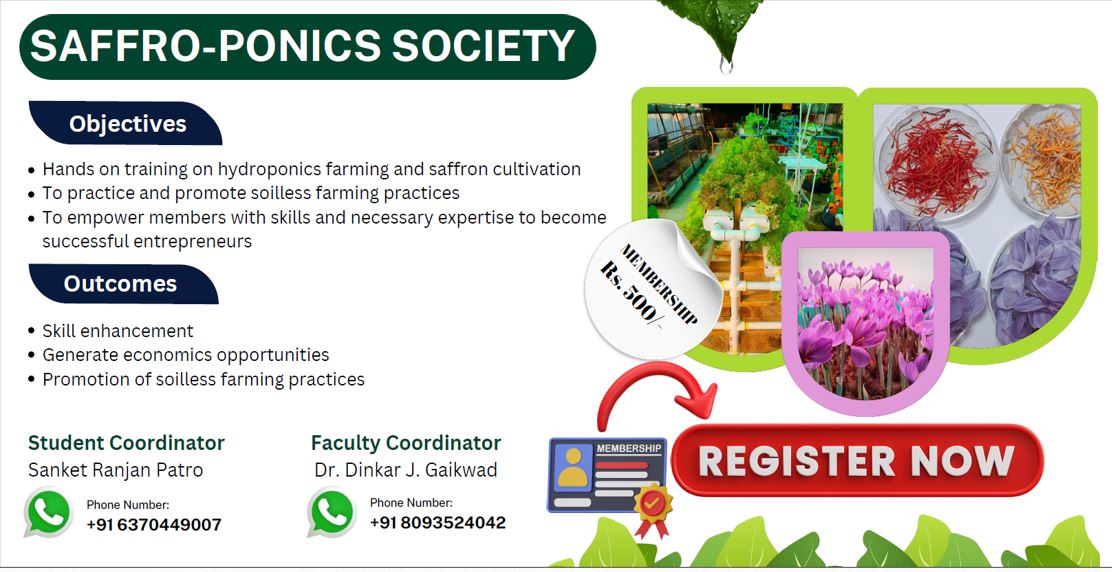
Sagar, Sairam, Saha, Sahu, Sanabam, Santosh, Vishnuprabu, Yoshitha et al. — Studies on irrigation, nutrient management, lettuce cultivation, saffron, drip fertigation, mulching, weed management.
Various authors (2025). Multiple journals including Crop Research, Plant Science Today, Research on Crops, Farming & Management, Journal of Agriculture and Food Research. IF 0.5–4.8